
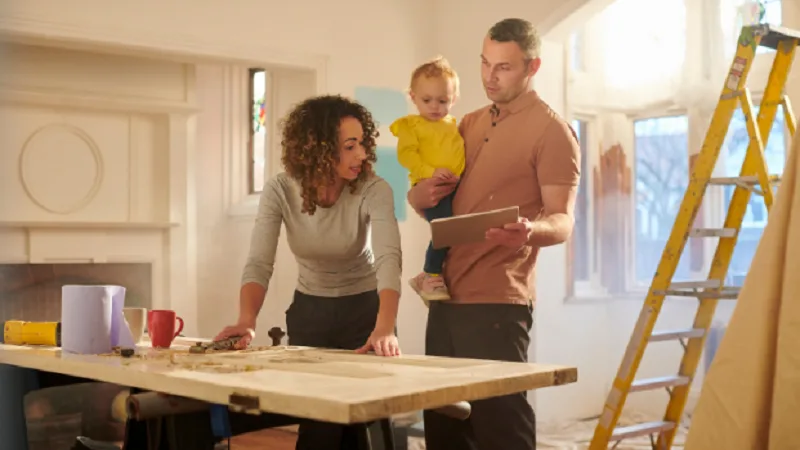
Making your home more eco-friendly is no longer just a trend, it’s a smart and responsible way to live. Today, more people are choosing simple changes that save energy, reduce waste, and lower costs over time. The best part is, you don’t need a full home makeover to make a difference. Small updates, like better lighting, smart water use, and natural materials, can go a long way.
Sustainable home improvement is about creating a space that feels good while also doing good for the planet. In this blog, we’ll explore practical trends that are easy to follow, budget-friendly, and designed to help you build a cleaner, healthier, and more mindful home.
Top Energy-Efficient Upgrades Powering Green Renovation Ideas
Smart energy decisions sit at the center of every green renovation worth doing. Whether you’re starting from scratch or modernizing an existing property, these changes tend to deliver the strongest returns over time, and often faster than people expect.
Smart Electrification & Solar-Ready Design
Replacing gas systems with electric heat pumps might be the single smartest move you can make right now. Here’s why: heat pumps don’t generate heat, they move it. That distinction makes them extraordinarily efficient compared to older systems.
Planning ahead for rooftop solar and upgrading your electrical panel while renovations are already underway sets you up for a genuinely renewable future without paying twice for the same work.
Germany offers a compelling example of what large-scale energy ambition actually looks like in practice, it’s become a recognized global leader in renewable adoption, with solar and wind infrastructure woven into everyday life.
Travelers heading there will find that staying connected is equally seamless; esim germany gives you instant mobile access the moment you land, without the headache of hunting down a local SIM card.
Advanced Insulation & High-Performance Windows
Closed-cell spray foam, vacuum insulation panels, and triple-pane low-E windows aren’t glamorous, but they’re transformative.
Used together, they create a tight thermal envelope that significantly reduces the strain on your HVAC system. People consistently underestimate how much energy quietly leaks through poorly sealed windows and walls. Fix that, and almost everything else gets easier.
With efficient energy systems and solid insulation in place, the next layer of a genuinely eco-friendly renovation comes down to what your home is actually made of, the right sustainable building materials can be every bit as impactful as any technology you install.
Sustainable Building Materials for Eco-Friendly Home Upgrades
What you build with shapes your home’s environmental footprint long before anyone moves in. Embodied carbon, the emissions baked into manufacturing your chosen materials, matters just as much as how efficiently your home runs afterward. It’s a piece of the puzzle a lot of homeowners overlook entirely.
Carbon-Sequestering Timber & Recycled Composites
Mass timber and engineered wood products actually store carbon rather than releasing it, which makes them a standout structural choice. Recycled metal and glass countertops add durability while cutting demand for raw materials. These are sustainable building materials worth requesting from your contractor by name. Don’t assume they’ll suggest them without prompting.
Natural Fiber & Low-VOC Finishes
Wool, hemp, and cellulose insulation outperform standard fiberglass in both performance and environmental impact. Pair them with zero-VOC paints and you get meaningful air quality improvements from day one, cleaner air for your family, fewer toxins entering the environment during application. Honestly, it’s one of those upgrades you wonder why you didn’t make sooner.
Beyond what’s inside your walls, the most forward-thinking homeowners are now bringing nature directly into their design, through biophilic principles, living walls, and green roofs that do far more than simply look stunning.
Innovative Trends: Biophilic Design, Green Roofs & Living Walls
These aren’t decorative choices dressed up with sustainability language. They’re functional, measurable improvements to your home’s performance and your daily well-being, backed by genuine research.
Biophilic Elements That Breathe Life Into Homes
Indoor green walls, daylight-maximizing layouts, and natural finishes in stone or wood have all been linked to reduced stress and improved cognitive function in environmental psychology research. Biophilic design also cuts dependence on artificial lighting. It’s rare to find an upgrade that benefits both your mental health ,and, your carbon footprint, this one does both.
Green Roofs & Vertical Gardens
A green roof pulls triple duty: it regulates indoor temperature, handles stormwater runoff, and actively supports local biodiversity. Installation involves a waterproof membrane, drainage layer, growing medium, and drought-resistant plant selection. In dense urban areas especially, that kind of square footage doing that kind of work is genuinely valuable, not just aesthetically.
Biophilic design handles passive sustainability beautifully. But pairing it with smart home technology creates something more dynamic, a data-driven ecosystem that actively manages your home’s resource consumption around the clock.
Smart Home Technologies That Amplify Sustainability
Real-time control and actual data change the way you make decisions. Smart systems hand you both.
AI-Driven Energy Management Systems
Smart thermostats like Nest or Ecobee, combined with occupancy sensors and solar-battery controls, can realistically reduce energy waste by up to 20%. These systems learn your schedule. They adapt automatically. That’s not a distant promise, it’s available right now, at a price point most homeowners can work with.
Water-Saving Automation & Leak Detection
Smart irrigation controllers adjust watering schedules based on live weather data, not assumptions. Leak detection sensors can alert you before a small drip spirals into a costly flood. Used together, these tools make meaningful water conservation feel almost effortless, which is exactly the point.
Real-time control systems give you an edge, but achieving genuinely lasting sustainability means examining your home’s core structure. That’s where strategic low-carbon retrofitting quietly becomes a game-changer.
Low-Carbon Footprint Retrofitting Strategies
Understanding how to reduce home carbon footprint effectively means thinking in phases. Nobody does everything at once, and you don’t need to.
Phased Retrofit Plans for Budget-Conscious Homeowners
Start with air sealing and insulation. Those deliver the fastest payback and create the foundation everything else builds on. Then move to electrification, swapping gas appliances for electric alternatives. Finally, layer in renewable materials and solar integration. This approach keeps costs manageable without sacrificing long-term impact.
| Upgrade Phase | Priority Level | Avg. Cost Range | Estimated Annual Savings |
| Air Sealing & Insulation | High | $1,500–$4,000 | $300–$600 |
| Heat Pump Installation | High | $5,000–$12,000 | $500–$1,200 |
| Solar Panel System | Medium | $15,000–$25,000 | $1,200–$2,000 |
| Smart Home Systems | Medium | $500–$3,000 | $150–$400 |
| Green Roof / Living Wall | Low-Medium | $10,000–$25,000 | $200–$500 |
Modular Net-Zero Additions & Factory-Built ADUs
Prefabricated net-zero modules are a clever way to add living space without the carbon cost of conventional construction. Factory tolerances allow for near-perfect air sealing. Studies show prefab construction can reduce construction waste by up to 90% compared to site-built methods. That number is hard to ignore.
Retrofitting attacks your home’s carbon output from the structure outward, but sustainable living also means protecting what’s happening inside your walls. Indoor air and water quality are the natural next step.
Holistic Wellness: Indoor Air & Water Quality
HRV/ERV Systems Plus Air Filtration
Heat recovery ventilators bring fresh outdoor air indoors while retaining the energy already used to condition your interior climate. Add HEPA filtration and you’re capturing fine particles on top of that. Together, they measurably reduce respiratory issues, especially important in tightly sealed, well-insulated homes where air exchange doesn’t happen naturally.
Rainwater Harvesting & Greywater Reuse
Rooftop collection systems can supply water for toilets, landscaping, and laundry, cutting municipal water usage significantly. Greywater systems redirect sink and shower water back into irrigation lines. Maintenance is straightforward: clean filters every few months, inspect connections seasonally. That’s genuinely manageable.
Your Sustainable Home Questions Answered
-
What are the 4 C’s of sustainability?
The 4 C’s, Consumption, Conservation, Community, and Cooperation, form the backbone of responsible eco-friendly living. Together they guide smarter decisions at home and beyond, collectively building a more sustainable tomorrow.
-
What’s the simplest sustainable building material to start with?
Recycled content products, countertops made from recycled glass, reclaimed wood flooring, are accessible, affordable, and widely available. They lower embodied carbon without requiring specialized contractors or structural changes.
-
Can a regular home be retrofitted to net-zero in phases?
Absolutely. Insulation and air sealing first, electrification second, solar third. Most homeowners can approach near-zero emissions over three to five years without a single massive upfront investment.