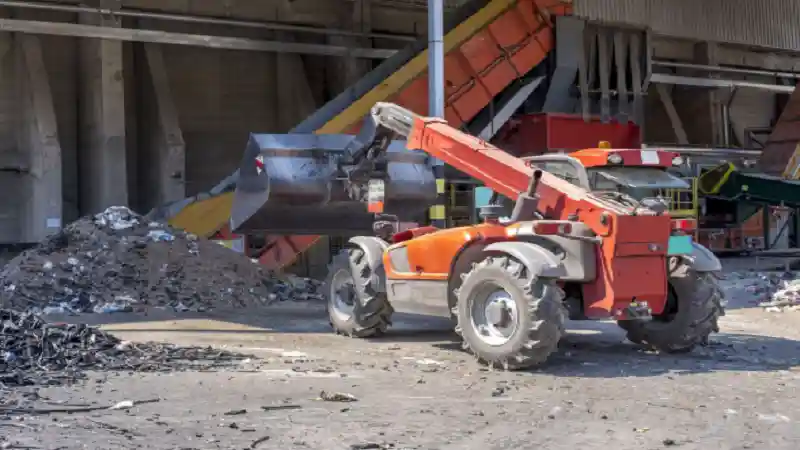
Large commercial construction projects generate a constant flow of debris from start to finish. From early site clearing and structural work to interior build-outs and final detailing, materials are removed, cut, packaged, and replaced across multiple phases. For commercial contractors, managing this debris is not just a cleanup task—it is a core operational function that directly impacts productivity, safety, and scheduling.
On complex job sites with multiple crews and moving parts, debris must be handled in a way that supports continuous progress. Builders who plan and coordinate waste removal effectively are better positioned to keep projects organized and on track from the first phase through completion.
Understanding the Scale of Commercial Debris
Commercial projects differ significantly from residential work in both size and complexity. Large buildings, multi-floor interiors, and expansive job sites produce a wide variety of materials in substantial quantities.
Typical debris streams include:
- Structural materials such as wood, steel, and concrete
- Drywall, insulation, and ceiling systems
- Flooring materials across large square footage
- Electrical and plumbing cutoffs
- Packaging from fixtures, lighting, and equipment
- Miscellaneous construction debris from multiple trades
Because these materials are generated across different areas of the site at the same time, managing them requires a coordinated approach rather than a single disposal solution.
Integrating Waste Management into Project Planning
Successful builders treat debris management as part of the overall construction plan. Before work begins, they evaluate expected waste volume, identify disposal locations, and coordinate service schedules.
Planning ahead allows contractors to:
- Determine the number and size of containers needed
- Identify strategic placement areas
- Align pickup schedules with project phases
- Establish guidelines for debris handling across trades
By integrating waste management into pre-construction planning, builders avoid reactive decisions that can lead to congestion or delays later.
Using Multiple Containers Across the Job Site
On large commercial projects, a single dumpster is rarely sufficient. Builders often deploy multiple containers across different areas of the site to support ongoing work.
This approach helps:
- Reduce travel time for crews disposing of debris
- Prevent congestion around a single disposal point
- Keep waste localized to specific work zones
- Improve overall jobsite organization
For example, containers may be placed near demolition areas, framing zones, and interior build-out sections, ensuring that each phase has access to appropriate disposal capacity.
Aligning Waste Removal with Construction Phases
Each phase of a commercial project produces different types and volumes of debris. Demolition generates heavy, high-volume waste, while later phases produce lighter but continuous material from packaging and installation.
Builders adjust their waste management strategy to match these phases by:
- Increasing container capacity during demolition
- Scheduling more frequent pickups during peak activity
- Reducing container numbers as debris production slows
Aligning waste removal with project phases ensures that containers remain effective without creating unnecessary congestion.
Coordinating with Jobsite Traffic and Logistics
Commercial job sites involve constant movement of materials, equipment, and personnel. Dumpsters must be placed in locations that allow easy access for both workers and service trucks while avoiding interference with other operations.
Builders consider:
- Delivery routes for materials and equipment
- Access points for service vehicles
- Equipment movement paths
- Emergency access requirements
Proper coordination helps maintain smooth traffic flow and prevents dumpsters from becoming obstacles.
Maintaining Clean and Organized Work Areas
Debris accumulation can quickly disrupt workflow on large job sites. Materials left in hallways, staging areas, or active work zones create obstacles that slow down crews and increase labor effort.
Builders manage this by encouraging consistent disposal practices. Crews are expected to remove debris regularly rather than allowing it to accumulate.
Keeping work areas clear supports:
- Faster movement between tasks
- Improved material handling
- Reduced need for repeated cleanup
- Better coordination between trades
An organized job site is easier to manage and allows work to progress more efficiently.
Monitoring Container Usage and Fill Levels
On large projects, containers can fill at different rates depending on the type of work being performed in each area. Builders monitor usage closely to ensure that capacity is available where it is needed.
This includes:
- Tracking how quickly containers fill
- Scheduling pickups before overflow occurs
- Adjusting container placement based on activity levels
Proactive monitoring helps prevent delays caused by full or unavailable containers.
Scheduling Pickups Without Disrupting Work
Dumpster pickups must be carefully coordinated to avoid interfering with daily jobsite operations. Service trucks require space to access containers, which can temporarily affect traffic flow.
Builders often schedule pickups during:
- Early morning hours before peak activity
- Midday periods with fewer deliveries
- Times when specific work zones are less active
Planning pickups around jobsite activity helps ensure that waste removal remains efficient without causing unnecessary interruptions.
Supporting Multiple Trades with Clear Guidelines
Commercial construction involves coordination between many subcontractors. Each trade generates its own type of debris, and without clear guidelines, waste management can become inconsistent.
Builders establish expectations by:
- Defining which containers should be used for specific materials
- Communicating disposal procedures to all crews
- Reinforcing cleanup responsibilities
Clear guidelines help ensure that waste is handled consistently across the site.
Enhancing Safety Through Effective Waste Management
Unmanaged debris creates safety risks on commercial job sites. Loose materials, sharp objects, and cluttered pathways increase the likelihood of accidents.
By keeping waste contained and removing it regularly, builders reduce hazards and create a safer environment for workers. Clear walkways and organized work areas support both safety and efficiency.
Effective waste management is a key component of maintaining overall jobsite safety.
Coordinating with Experienced Waste Providers
Large commercial projects often require ongoing coordination with waste service providers. Reliable providers help ensure that containers are delivered, serviced, and removed according to project needs.
Builders frequently work with services such as Waste Removal USA to align waste logistics with construction timelines.
Strong communication allows contractors to adjust container sizes, placement, and service schedules as the project evolves.
Adapting to Changing Site Conditions
As construction progresses, the layout of the job site changes. Areas that were once used for staging may become active work zones, and new sections of the building may open up.
Builders adapt by relocating containers, adding new ones, or adjusting service schedules to match current conditions. This flexibility ensures that waste management remains effective throughout the project lifecycle.
Reducing Delays and Improving Efficiency
When debris is managed effectively, construction teams can focus on their work without interruption. Containers are available when needed, work areas remain clear, and materials can be handled efficiently.
This reduces:
- Time spent moving debris
- Delays caused by congestion
- Additional labor for cleanup
Efficient waste management contributes directly to faster project completion and smoother operations.
Managing debris on large commercial construction projects requires planning, coordination, and adaptability. By integrating waste management into project planning, using multiple containers strategically, and aligning service with construction phases, builders can maintain organized and efficient job sites.
Effective debris management supports productivity, improves safety, and helps keep projects on schedule. For commercial contractors, it is an essential part of delivering successful projects from start to finish.
Discover more about: emsisd