
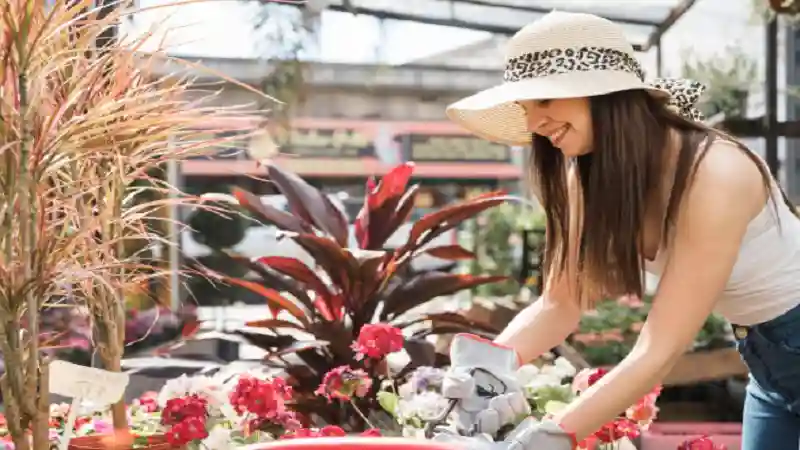
Creating a beautiful and functional garden is a goal for many homeowners. A well-designed outdoor space not only enhances the appearance of a house but also provides a relaxing environment for family and friends. Whether you have a small backyard or a large landscape, the right approach can transform your garden into a peaceful retreat. In this article, we explore practical ideas and simple strategies inspired by decoradhouse garden tips by decoratoradvice to help you design, maintain, and enjoy your garden effectively.
Understanding the Basics of Garden Design
Before starting any garden project, it is important to understand the fundamentals of design. A successful garden combines aesthetics, functionality, and sustainability.
Balance and Layout
A well-balanced garden includes a mix of plants, open spaces, and pathways. Try to create symmetry or visual harmony by placing elements thoughtfully. For example, you can position taller plants at the back and shorter ones in the front to maintain a layered look.
Choosing a Theme
Selecting a theme helps guide your design decisions. You might prefer a modern garden with clean lines, a traditional garden with flowers and greenery, or a tropical style with bold plants. Having a clear theme ensures consistency throughout your space.
Space Utilization
Even small gardens can look spacious when designed smartly. Use vertical gardening techniques such as wall planters or hanging baskets to maximize space. This approach is often highlighted in decoradhouse garden tips by decoratoradvice as a practical solution for compact areas.
Selecting the Right Plants
Choosing the right plants is essential for a thriving garden. Not all plants suit every environment, so it is important to consider your climate, soil type, and sunlight exposure.
Climate-Appropriate Plants
Always select plants that can grow well in your local climate. This reduces maintenance and increases the chances of success. Native plants are often the best choice because they are naturally adapted to the environment.
Seasonal Variety
To keep your garden vibrant throughout the year, include a mix of seasonal plants. Combine flowering plants for color with evergreen shrubs for year-round greenery.
Low-Maintenance Options
If you have a busy lifestyle, consider low-maintenance plants such as succulents, cacti, or hardy shrubs. These require less watering and care while still adding beauty to your garden.
Soil Preparation and Maintenance
Healthy soil is the foundation of a successful garden. Without proper soil care, even the best plants may struggle to grow.
Testing Your Soil
Start by checking your soil type—whether it is sandy, clay, or loamy. Each type has different properties and may require specific improvements.
Adding Organic Matter
Compost, manure, and organic fertilizers can improve soil quality. These materials provide essential nutrients and help retain moisture.
Regular Maintenance
Keep your soil healthy by removing weeds, loosening compacted areas, and replenishing nutrients regularly. Following these practices ensures long-term garden health.
Smart Watering Techniques
Watering is one of the most important aspects of garden care. However, overwatering or underwatering can damage plants.
Efficient Watering Methods
Use drip irrigation or watering cans to deliver water directly to the roots. This reduces waste and prevents diseases caused by wet leaves.
Watering Schedule
Water your plants early in the morning or late in the evening to minimize evaporation. Adjust the frequency based on weather conditions and plant needs.
Rainwater Harvesting
Collecting rainwater is an eco-friendly way to maintain your garden. It also helps reduce water bills while supporting sustainable practices.
Garden Decoration and Styling
A garden is not just about plants; decoration plays a key role in enhancing its beauty.
Adding Garden Furniture
Outdoor seating, benches, or swings can make your garden more inviting. Choose weather-resistant materials to ensure durability.
Decorative Elements
Incorporate items such as lanterns, sculptures, or decorative pots to create visual interest. These elements can reflect your personal style.
Lighting Design
Proper lighting can transform your garden at night. Use solar lights or LED fixtures to highlight pathways, plants, and seating areas.
Creating Functional Outdoor Spaces
Modern gardens are designed to serve multiple purposes. They are not just for planting but also for relaxation and entertainment.
Relaxation Zones
Create a cozy corner with comfortable seating and shade. This can be your personal space for reading or enjoying nature.
Dining Areas
If you enjoy outdoor meals, consider adding a dining table or a barbecue setup. This makes your garden a great place for gatherings.
Play Areas
For families with children, including a small play area can make the garden more functional and enjoyable.
Sustainable Gardening Practices
Sustainability is becoming increasingly important in gardening. By adopting eco-friendly practices, you can create a garden that benefits both you and the environment.
Composting
Turn kitchen waste into compost to enrich your soil. This reduces waste and provides natural nutrients for plants.
Reducing Chemical Use
Avoid excessive use of chemical fertilizers and pesticides. Instead, opt for natural alternatives like neem oil or homemade solutions.
Supporting Biodiversity
Plant flowers that attract bees, butterflies, and birds. This helps maintain a healthy ecosystem in your garden.
Seasonal Garden Care Tips
Gardens require different care throughout the year. Understanding seasonal needs helps maintain plant health and appearance.
Spring Preparation
Spring is the ideal time for planting new flowers and vegetables. Clean up debris and prepare the soil for growth.
Summer Maintenance
During hot weather, focus on watering and protecting plants from extreme heat. Mulching can help retain moisture.
Autumn Cleanup
Remove dead plants and fallen leaves to prevent pests and diseases. This is also a good time to plant bulbs for the next season.
Winter Protection
Protect sensitive plants from cold temperatures by covering them or moving them indoors if possible.
Common Gardening Mistakes to Avoid
Even experienced gardeners can make mistakes. Being aware of common errors can save time and effort.
Overcrowding Plants
Planting too close together can limit growth and increase competition for nutrients.
Ignoring Soil Quality
Poor soil can lead to weak plants. Always prioritize soil health.
Inconsistent Care
Irregular watering or neglecting maintenance can harm your garden. Consistency is key.
Choosing the Wrong Plants
Selecting plants that do not suit your environment can result in poor growth and disappointment.
Enhancing Small Gardens
Not everyone has a large outdoor space, but even small gardens can be beautiful and functional.
Vertical Gardening
Use walls, fences, or trellises to grow plants vertically. This saves space and adds visual appeal.
Container Gardening
Pots and containers are perfect for small areas. They allow flexibility and easy rearrangement.
Multi-Functional Features
Choose furniture or structures that serve multiple purposes, such as storage benches or foldable tables.
These ideas align closely with decoradhouse garden tips by decoratoradvice, which emphasize smart and creative use of limited space.
Long-Term Garden Planning
A garden is an ongoing project that evolves. Planning ensures lasting beauty and functionality.
Setting Goals
Decide what you want from your garden—whether it is relaxation, food production, or decoration.
Budget Management
Plan your expenses carefully. Start with essential elements and gradually add features.
Continuous Improvement
Observe your garden regularly and make adjustments as needed. Learning from experience helps you improve over time.
Final Thoughts
Designing and maintaining a garden does not have to be complicated. With the right knowledge and a simple approach, anyone can create a beautiful outdoor space. By focusing on proper planning, plant selection, soil care, and sustainable practices, you can achieve a garden that is both attractive and functional.
The ideas shared in this article, inspired by decoradhouse garden tips by decoratoradvice, highlight practical ways to enhance your garden while keeping maintenance manageable. Whether you are a beginner or an experienced gardener, applying these tips can help you enjoy a vibrant and welcoming outdoor environment all year round.
Explore more about: emsisd