
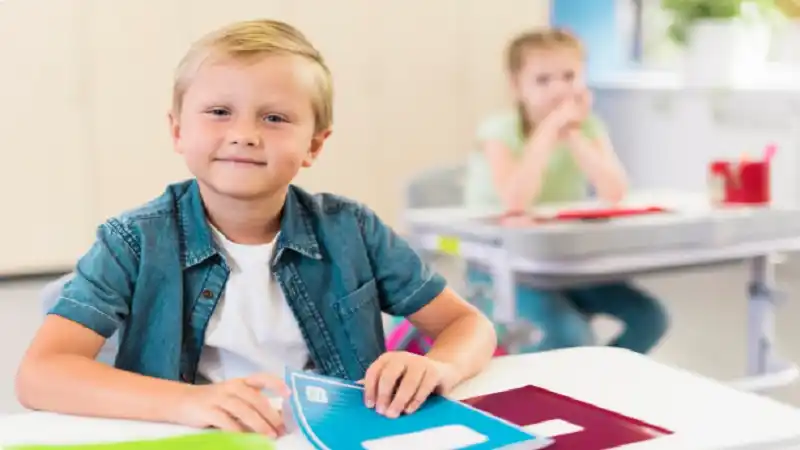
Elementary education plays a vital role in shaping a child’s academic foundation, social development, and future success. Schools at the elementary level are responsible for helping young learners develop essential skills in reading, writing, mathematics, communication, and critical thinking. They also create an environment where children learn responsibility, teamwork, and respect for others. We will provide more details about”Bryson Elementary” in this article.
Bryson Elementary is an example of an educational institution that focuses on providing quality learning opportunities for students during their formative years. Like many successful elementary schools, it aims to support academic achievement while encouraging personal growth and community involvement. Understanding the role of elementary schools can help parents, educators, and community members appreciate the importance of early education.
This article explores the significance of elementary education, the characteristics of effective schools, the role of teachers and families, and the benefits students gain from attending a well-structured learning environment.
The Importance of Elementary Education
Elementary education serves as the first major step in a child’s academic journey. During these years, students develop fundamental skills that will support future learning and success.
Key areas of elementary education include:
- Reading and literacy development
- Mathematics and problem-solving skills
- Science and social studies knowledge
- Communication and language abilities
- Social and emotional learning
A strong elementary education provides students with the confidence and skills needed to tackle more advanced academic challenges later in life. Schools that prioritize student growth often create positive learning experiences that inspire curiosity and lifelong learning.
Understanding the Role of Bryson Elementary School
Every elementary school has the responsibility to create a safe and supportive environment where students can learn effectively. Bryson Elementary School represents the type of institution that focuses on helping children achieve their academic potential while promoting character development.
Schools like this often emphasize:
- Student-centered learning
- Academic excellence
- Respect and responsibility
- Positive relationships among students and staff
- Community engagement
The goal is not only to teach academic subjects but also to help children become confident, responsible, and engaged members of society.
Academic Programs and Learning Opportunities
A quality elementary school typically offers a balanced curriculum that addresses multiple areas of development. Students are encouraged to explore various subjects while building strong foundational skills.
Language Arts
Language arts programs help students improve:
- Reading comprehension
- Vocabulary development
- Writing skills
- Grammar and language usage
- Public speaking abilities
Strong literacy skills support learning across all subjects and help students communicate effectively.
Mathematics
Mathematics instruction introduces students to:
- Basic arithmetic
- Number sense
- Measurement
- Geometry
- Problem-solving techniques
Early mathematical understanding helps students develop logical thinking and analytical skills.
Science
Science education encourages exploration and discovery. Students learn about:
- Living organisms
- Earth science
- Physical science
- Environmental awareness
- Scientific investigation
Hands-on activities often make science both engaging and educational.
Social Studies
Social studies introduces children to:
- History
- Geography
- Civics
- Culture
- Community responsibilities
These lessons help students understand the world around them and appreciate diverse perspectives.
Creating a Positive Learning Environment
A positive school environment significantly influences student success. Children perform better academically and socially when they feel safe, respected, and supported.
Effective elementary schools often focus on:
Safety
Students need a secure environment where they can concentrate on learning without fear or distractions.
Respect
Mutual respect among students, teachers, and staff helps create a welcoming atmosphere.
Inclusion
Every child deserves equal opportunities to learn and participate regardless of background or ability.
Encouragement
Positive reinforcement motivates students to work hard and develop confidence in their abilities.
Schools that prioritize these values often experience stronger student engagement and better educational outcomes.
The Role of Teachers in Student Success
Teachers are among the most influential figures in a child’s educational experience. They provide instruction, guidance, mentorship, and support throughout the learning process.
At schools such as Bryson Elementary, teachers play a critical role in helping students:
- Develop academic skills
- Build confidence
- Improve social interactions
- Set educational goals
- Overcome learning challenges
Effective teachers use various instructional strategies to meet the needs of diverse learners. They recognize that every student learns differently and adapt their teaching methods accordingly.
Technology in Elementary Education
Technology has become an important part of modern education. Elementary schools increasingly use digital tools to enhance learning experiences and prepare students for the future.
Benefits of educational technology include:
- Interactive learning activities
- Improved access to information
- Personalized learning opportunities
- Enhanced student engagement
- Development of digital literacy skills
When used appropriately, technology can complement traditional teaching methods and help students develop valuable skills for the modern world.
Extracurricular Activities and Student Development
Academic learning is only one aspect of a child’s educational experience. Extracurricular activities provide additional opportunities for growth and personal development.
Common activities may include:
Arts Programs
Arts education encourages creativity and self-expression through:
- Drawing
- Painting
- Music
- Drama
- Crafts
Physical Education
Physical activity helps students:
- Improve fitness
- Develop coordination
- Learn teamwork
- Build healthy habits
Clubs and Special Programs
Many schools offer clubs that allow students to explore interests outside the classroom, such as:
- Science clubs
- Reading programs
- Leadership groups
- Environmental initiatives
These activities contribute to a well-rounded educational experience.
Family Involvement in Education
Parents and families play a crucial role in supporting student success. Research consistently shows that children perform better when families are actively involved in their education.
Ways families can support learning include:
- Reading with children regularly
- Monitoring homework
- Communicating with teachers
- Attending school events
- Encouraging positive study habits
Strong partnerships between schools and families create a supportive network that benefits students both academically and emotionally.
Community Support and Educational Growth
Successful schools often maintain strong relationships with their surrounding communities. Community involvement can provide valuable resources, opportunities, and support for students.
Community partnerships may contribute through:
- Volunteer programs
- Educational workshops
- Mentoring opportunities
- School improvement initiatives
- Special events and activities
When schools, families, and communities work together, students benefit from a broader support system that enhances their educational experience.
Developing Social and Emotional Skills
Academic achievement is important, but social and emotional development is equally valuable. Elementary schools help students learn how to:
- Manage emotions
- Build friendships
- Resolve conflicts
- Show empathy
- Practice responsibility
These skills contribute to healthy relationships and long-term success in school and life.
Programs that focus on social-emotional learning often help students become more confident, resilient, and capable of handling challenges.
Preparing Students for Future Success
The skills acquired during elementary school extend far beyond the classroom. Students develop habits and abilities that support lifelong learning and personal growth.
Important skills include:
Critical Thinking
Students learn how to analyze information, solve problems, and make informed decisions.
Communication
Effective communication skills help children express ideas clearly and collaborate with others.
Adaptability
Learning how to adapt to new situations prepares students for future academic and professional environments.
Responsibility
Elementary education teaches accountability and encourages students to take ownership of their actions and learning.
These skills form a strong foundation for middle school, high school, and future career opportunities.
Characteristics of Effective Elementary Schools
Schools that consistently support student success often share several important characteristics.
Strong Leadership
Effective administrators establish clear goals and foster a positive school culture.
Dedicated Teachers
Committed educators create engaging lessons and support student achievement.
Student-Focused Learning
Instruction is designed to meet the needs of individual learners.
Safe Environment
Students thrive when they feel secure and supported.
Community Engagement
Partnerships with families and community organizations strengthen educational opportunities.
These elements contribute to a productive and enriching educational experience for students.
Why Elementary Schools Matter
Elementary schools serve as the foundation of the educational system. They help children acquire essential knowledge, develop social skills, and build confidence in their abilities.
Institutions such as Bryson Elementary School highlight the importance of providing young learners with a supportive environment where they can grow academically and personally. Through effective teaching, family involvement, and community support, students gain the tools needed to succeed throughout their educational journey.
Quality elementary education benefits not only individual students but also society as a whole by preparing future generations to become informed, responsible, and productive citizens.
Conclusion
Elementary education is one of the most important stages in a child’s development. Schools provide the knowledge, skills, and experiences that help students build a strong academic and personal foundation. From literacy and mathematics to social-emotional growth and community involvement, every aspect of elementary education contributes to future success.
Bryson Elementary demonstrates the value of creating a learning environment that supports student achievement, personal development, and lifelong learning. Through dedicated educators, engaged families, and a commitment to excellence, schools like Bryson Elementary School continue to play a meaningful role in shaping the leaders, thinkers, and citizens of tomorrow.
Expose more details about: emsisd