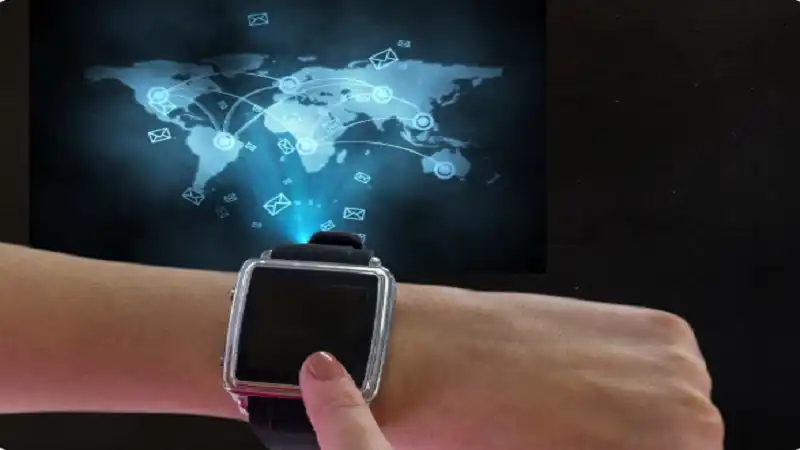
In the rapidly evolving world of technology, wearable devices have emerged as one of the most transformative innovations of the 21st century. From fitness trackers to advanced smartwatches, wearables are redefining how people interact with technology in their daily lives. Platforms and insights driven by wearables feedworldtech are playing a crucial role in shaping this digital revolution, offering consumers and businesses a deeper understanding of connected devices and their capabilities.
This article explores the evolution, benefits, challenges, and future potential of wearable technology while highlighting how wearables feedworldtech contributes to this dynamic ecosystem.
The Evolution of Wearable Technology
Wearable technology is not a new concept. Early forms included simple devices like digital watches and pedometers. However, the integration of sensors, artificial intelligence (AI), and Internet of Things (IoT) connectivity has elevated wearables into powerful smart devices.
Modern wearables now include:
-
Smartwatches
-
Fitness bands
-
Smart glasses
-
Health monitoring devices
-
Wearable ECG and blood oxygen monitors
With innovation accelerating, wearables feedworldtech continues to track industry developments, providing insights into how these devices are becoming smarter, smaller, and more efficient.
Key Features of Modern Wearables
Today’s wearable devices offer far more than step counting. They function as compact digital assistants that enhance productivity, health awareness, and connectivity.
1. Health Monitoring
Wearables can track:
-
Heart rate
-
Sleep cycles
-
Blood oxygen levels
-
Stress levels
-
Calories burned
Some advanced devices even detect irregular heart rhythms and alert users to potential health risks.
2. Fitness Tracking
Fitness enthusiasts rely on wearables for:
-
Workout tracking
-
Distance measurement
-
Performance analytics
-
Training recommendations
3. Connectivity and Notifications
Smartwatches sync with smartphones to deliver:
-
Call alerts
-
Messages
-
Email notifications
-
Social media updates
This seamless connectivity reduces the need to frequently check phones.
The Role of AI and Data Analytics
Artificial intelligence has revolutionized wearable functionality. Devices now analyze user behavior and provide personalized insights.
Examples include:
-
Sleep improvement suggestions
-
Fitness coaching
-
Stress management alerts
-
Activity reminders
Data collected through wearables feed into larger ecosystems. Industry platforms like wearables feedworldtech analyze these trends, helping manufacturers improve device accuracy, battery life, and usability.
Benefits of Wearable Technology
1. Improved Health Awareness
Wearables empower users to take control of their health. Real-time data encourages proactive lifestyle changes.
2. Enhanced Productivity
Professionals use wearables for reminders, scheduling, and quick communication, saving time and boosting efficiency.
3. Safety and Emergency Features
Many devices include:
-
Fall detection
-
Emergency SOS alerts
-
Location tracking
These features are especially valuable for elderly users and patients with medical conditions.
4. Personalized User Experience
AI-driven insights create tailored recommendations, making wearables more useful over time.
Wearables in Healthcare
Healthcare is one of the biggest beneficiaries of wearable innovation.
Hospitals and clinics use wearables for:
-
Remote patient monitoring
-
Chronic disease management
-
Post-surgery recovery tracking
-
Telehealth integration
Doctors can access patient data in real time, enabling faster diagnosis and treatment adjustments. Insights shared across ecosystems like wearables feedworldtech help healthcare providers stay updated on device reliability and medical applications.
Challenges Facing Wearable Technology
Despite rapid growth, wearables face several challenges:
1. Battery Life
Advanced features consume power quickly. Manufacturers are working on longer-lasting batteries and energy-efficient chips.
2. Data Privacy and Security
Wearables collect sensitive health and location data. Ensuring cybersecurity and user privacy remains a top priority.
3. Cost Barriers
Premium wearables can be expensive, limiting accessibility in developing markets.
4. Accuracy Concerns
While improving, some health metrics still require clinical-grade validation.
The Future of Wearables
The future of wearable technology is incredibly promising. Emerging innovations include:
1. Smart Clothing
Garments embedded with sensors will track body movement, posture, and biometrics.
2. Augmented Reality (AR) Glasses
AR wearables will transform gaming, education, and workplace training.
3. Implantable Wearables
Miniaturized devices inside the body could monitor chronic conditions continuously.
4. AI-Driven Preventive Healthcare
Wearables will predict health issues before symptoms appear.
Technology analysts and trend platforms such as wearables feedworldtech anticipate that wearables will become central to digital healthcare and smart living ecosystems.
Wearables in Business and Industry
Beyond consumers, industries are adopting wearables for operational efficiency:
-
Construction workers use smart helmets
-
Warehouses deploy wearable scanners
-
Field technicians use AR glasses
-
Logistics teams track movement and safety
These applications improve productivity while reducing workplace risks.
Market Growth and Industry Trends
The global wearable technology market continues to expand due to:
-
Rising health awareness
-
Growth in IoT devices
-
Smartphone integration
-
Remote healthcare demand
Major tech companies are investing heavily in R&D, driving competition and innovation.
Conclusion
Wearable technology has evolved from simple fitness trackers into powerful smart companions that enhance health, productivity, and connectivity. As AI, IoT, and sensor technologies continue to advance, wearables will become even more integrated into daily life.
Industry insight platforms like wearables feedworldtech play a vital role in documenting trends, analyzing innovations, and guiding consumers and businesses through this fast-growing landscape. From healthcare transformation to workplace safety and personal wellness, wearable technology is shaping the future—one smart device at a time.